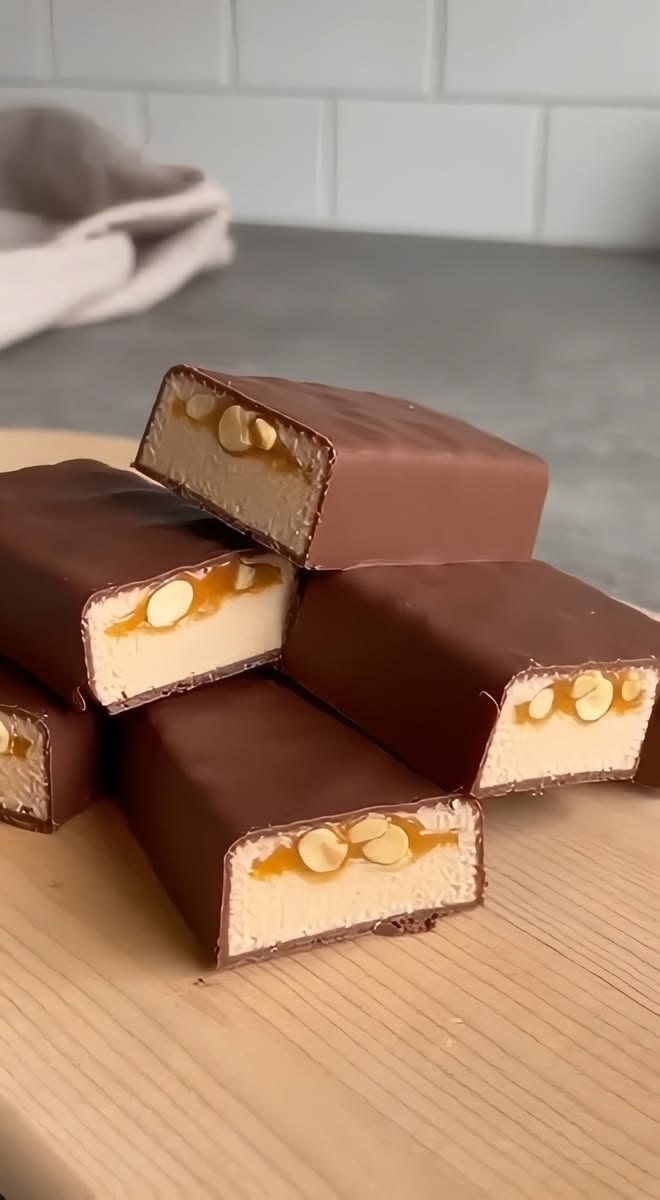
Butter Caramel Nougat is a rich, chewy homemade candy that combines the creamy flavor of butter, deep caramel sweetness, and the satisfying texture of soft nougat. It is the kind of treat that feels luxurious but can be made in your own kitchen with a little patience and careful attention to temperature.
This recipe creates tender pieces of nougat with a buttery caramel flavor and a pleasantly chewy texture. Toasted nuts add crunch and contrast beautifully with the soft candy. Once cooled and cut into pieces, the nougat makes a wonderful dessert, holiday candy, party treat, or homemade edible gift.
Recipe Details
Prep Time: 20 minutes
Cook Time: 25–30 minutes
Cooling Time: 3–4 hours
Total Time: About 4 hours
Yield: 30–40 pieces
Difficulty: Intermediate
Ingredients
For the Nougat
- 1 cup granulated sugar
- ½ cup light corn syrup or glucose syrup
- ¼ cup honey
- ¼ cup water
- 2 large egg whites
- ½ cup unsalted butter
- 1 teaspoon vanilla extract
- ½ teaspoon salt
- 1½ cups roasted almonds, peanuts, or hazelnuts
- ½ cup powdered milk, optional
For the Caramel Flavor
- ½ cup brown sugar
- 3 tablespoons heavy cream
- 2 tablespoons unsalted butter
- ½ teaspoon vanilla extract
- ¼ teaspoon salt
For the Pan
- Parchment paper
- A small amount of butter or neutral oil
Step 1: Prepare the Pan
Before cooking the candy, prepare everything you will need because nougat becomes difficult to handle once it starts cooling.
Line an approximately 8-by-8-inch or 9-by-9-inch square baking pan with parchment paper. Leave some parchment hanging over the sides so you can easily lift the finished nougat out later.
Lightly grease the parchment with butter or neutral oil.
If you want thinner nougat pieces, use a slightly larger pan. For thicker, more substantial pieces, use a smaller pan.
Set the prepared pan aside.
Step 2: Toast the Nuts
Place the almonds, peanuts, or hazelnuts on a baking sheet.
Toast them in a preheated oven at approximately 350°F (175°C) for 7–10 minutes, stirring once halfway through.
The nuts should smell fragrant and look lightly toasted, but they should not be burned.
Allow them to cool slightly.
Toasted nuts give the nougat a much deeper flavor than raw nuts. You can use one type of nut or combine almonds, peanuts, and hazelnuts.
Step 3: Make the Caramel Mixture
Place the brown sugar, heavy cream, butter, and salt in a small saucepan.
Heat over medium-low heat, stirring gently until the butter melts and the sugar dissolves.
Bring the mixture to a gentle simmer and cook for approximately 2–3 minutes.
Remove it from the heat and stir in the vanilla extract.
Set the caramel mixture aside while you prepare the nougat base.
The caramel should be smooth and glossy rather than extremely thick.
Step 4: Prepare the Sugar Syrup
In a clean, heavy-bottomed saucepan, combine the granulated sugar, corn syrup or glucose syrup, honey, and water.
Place the saucepan over medium heat.
Stir only until the sugar dissolves. Once the mixture begins boiling, avoid excessive stirring because sugar crystals can form along the sides of the pan.
Continue cooking until the syrup reaches approximately 250–260°F (121–127°C) on a reliable candy thermometer.
The exact temperature affects the final texture. A lower temperature generally produces softer candy, while a higher temperature creates a firmer, chewier texture.
Use caution because boiling sugar syrup is extremely hot.
Step 5: Whip the Egg Whites
While the sugar syrup is cooking, place the egg whites in a clean, grease-free mixing bowl.
Using an electric mixer, beat them until soft peaks form.
Do not overbeat them to the point that they become dry and crumbly.
When the sugar syrup reaches the correct temperature, reduce the mixer speed and slowly drizzle the hot syrup into the egg whites.
Pour the syrup in a very thin, steady stream while continuously mixing.
This step is important because pouring the syrup too quickly can deflate the egg whites or cook them unevenly.
Once all the syrup has been incorporated, increase the mixer speed and continue beating until the mixture becomes thick, glossy, and lighter in color.
Step 6: Add Butter and Caramel
Melt the ½ cup butter gently and allow it to cool slightly.
Gradually add the melted butter to the nougat mixture while mixing.
Next, slowly add the prepared caramel mixture.
Continue mixing until everything is thoroughly incorporated.
Add vanilla extract and salt.
If you’re using powdered milk, add it gradually and mix until smooth.
The mixture should become thick, creamy, and glossy.
Step 7: Add the Nuts
Fold the toasted nuts into the nougat mixture using a sturdy spatula.
Work quickly but carefully because the mixture will begin to thicken as it cools.
Make sure the nuts are distributed evenly throughout the nougat.
You can reserve a small handful of nuts to sprinkle over the top.
Step 8: Transfer to the Pan
Immediately scrape the warm nougat into the prepared baking pan.
Use a lightly greased spatula or a sheet of parchment paper to press the mixture into an even layer.
If the nougat sticks to the spatula, lightly grease the spatula again.
Press firmly enough to create a compact, even layer without crushing the nuts.
If desired, sprinkle the reserved nuts over the top and gently press them into the surface.
Step 9: Let the Nougat Set
Allow the nougat to cool at room temperature for several hours.
For the best texture, let it set for at least 3–4 hours.
Avoid cutting it while it is still warm because it may be sticky and difficult to handle.
Once completely set, lift the nougat from the pan using the parchment-paper edges.
Place it on a cutting board.
Step 10: Cut Into Pieces
Lightly grease a sharp knife with butter or neutral oil.
Cut the nougat into small squares or rectangles.
If the candy sticks to the knife, wipe the blade clean and lightly grease it again.
For gift-giving, you can wrap each piece individually in parchment paper or wax paper.
Tips for Perfect Butter Caramel Nougat
Use a candy thermometer: Temperature is one of the most important factors in homemade nougat. Even a small difference can affect the final texture.
Keep the nuts warm: Slightly warm nuts blend more easily into the nougat than very cold nuts.
Work quickly: Once the mixture is ready, transfer it to the pan without unnecessary delay.
Don’t rush the cooling: Allowing the nougat to set properly makes cutting much easier.
Use unsalted butter: This allows you to control the amount of salt in the recipe.
Be extremely careful with hot sugar: Boiling sugar syrup can cause serious burns. Keep children away from the cooking area and avoid touching the mixture until it has cooled.
Flavor Variations
Chocolate Caramel Nougat
Add 2 tablespoons of unsweetened cocoa powder or a small amount of melted dark chocolate to the nougat mixture for a chocolate version.
Peanut Butter Nougat
Stir 2–3 tablespoons of smooth peanut butter into the caramel mixture before combining it with the nougat.
Coconut Caramel Nougat
Add ½ cup toasted unsweetened coconut along with the nuts.
Sea Salt Caramel Nougat
Sprinkle a small amount of flaky sea salt over the top before the nougat sets. The salt enhances the buttery caramel flavor.
Pistachio Nougat
Replace some or all of the almonds with roasted pistachios for a colorful and slightly more delicate version.
How to Store Butter Caramel Nougat
Store the finished nougat in an airtight container at cool room temperature.
Separate the pieces with parchment or wax paper to prevent them from sticking together.
Avoid storing nougat in a warm or humid location because heat and moisture can make the candy soft and sticky.
For longer storage, you can refrigerate the nougat in a tightly sealed container. Allow it to come closer to room temperature before serving for the best chewy texture.
Serving Ideas
Butter Caramel Nougat makes a lovely addition to holiday dessert platters, candy trays, and afternoon tea spreads.
Serve individual pieces alongside coffee or tea, or package them in decorative bags or boxes as homemade gifts.
You can also chop the nougat into small pieces and use it as a topping for ice cream, brownies, cookies, or chocolate desserts.
